
My pajama pants are the one thing in my closet I’ve never had a second thought about. No fit questions, no ‘is it a good colour?’ — just soft, loose, and within reach. It’s the closest thing my wardrobe has to a default setting.
Which made me pause the other night, brushing past them one more time: where did they even come from? I expected a boring answer. Instead I found a story that runs from a Persian word to a 16th-century gutter, and past the 18th-century nightgowns fashion history loves to show off.
Strip back the history and it starts with a word
When you trace it, the best origins aren’t the buttoned-up European ones. The word pajama comes from the Persian pāy-jāma, which literally means ‘leg garment’ — loose, comfortable pants that tie at the waist. The style carries strong ties to India too, where the Hindi pāyjāma refers to the same kind of loose pants, commonly made from silk or cotton.
As far as I could trace it, versions of these trousers go back to around the 6th century BC in Persia. In India, people wore wrapped pieces of cloth until the 16th century. I’m no historian, so read the sources at the end and then read a few more — that’s how you build a real picture.
Europe got here last
If you’ve dipped into European fashion history at all, you know it’s where most of the story lives. And for a long time, that meant both men and women in what we’d now call dresses. Makes sense when you think about it — tailoring trousers is a lot more work than cutting a length of cloth into a tunic, especially when spinning and weaving already take so long.
The closest you got in the Renaissance was ‘hose’: waist-to-foot legging with an open crotch. Breeches showed up in 16th-century Europe, which finally joined the two legs (or three, if you’re counting the cod piece) together.
As for sleeping? Most people just went to bed under a warm wool blanket in their undergarments — a chemise, the kind of simple shift you can think of as the ancestor of the nightgown. The nightgown itself only took shape around the 18th century.
It wasn’t until the 17th century that the loose, tie-waist style made its way into Europe, arriving as what was called the Mughal breeches — extremely baggy pants originally worn by the Mughal Empire in India. In England, people wore them as loungewear for a while before they fell out of fashion. Then, in the 18th century, they were adopted into European sleepwear and adapted into the modern pajamas we know today.
In other words: the comfortable thing came in through the side door, not the front one.
Why pajama pants are a workhorse
Here’s the part that makes me a fan. Pajama pants aren’t a trend piece. They don’t have a season. They’re the building block of getting dressed (or not) that actually pays for itself over time — because you’ll wear them until they fall apart, for the simple reason that they’re the most comfortable thing you own.
If you’re the kind of person who’d rather make one than buy a lot of them, that’s a very sensible way to spend an evening. Fabric is the only real variable, and good flannel runs about $6.00 per 1/2 meter ($12.00 per meter). I’m not a seamstress, but I’d be willing to bet a lot of people in your household would kill for a fresh pair of those.
Cute patterns are the real luxury
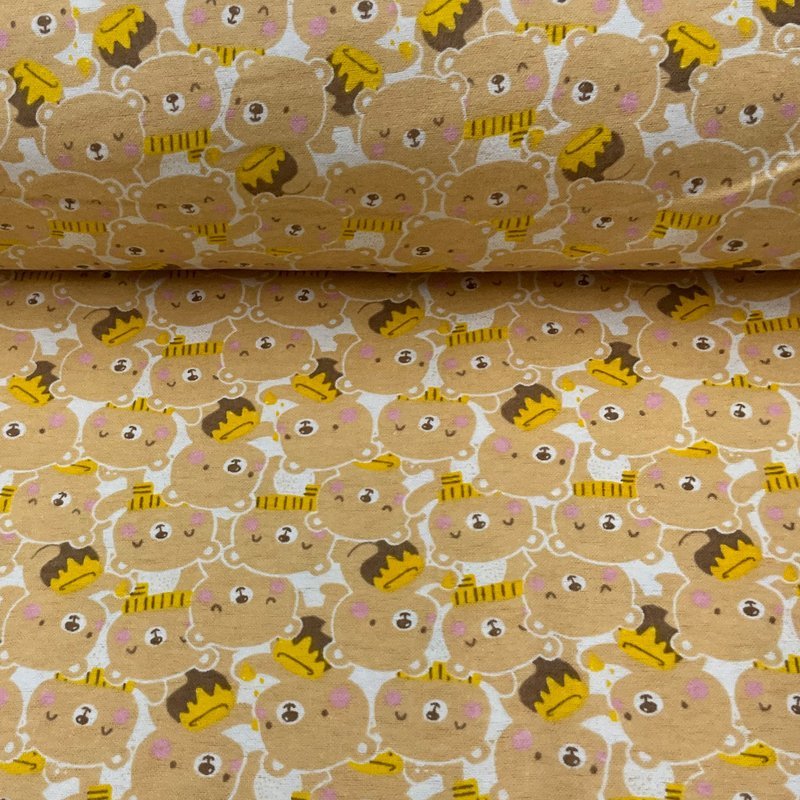
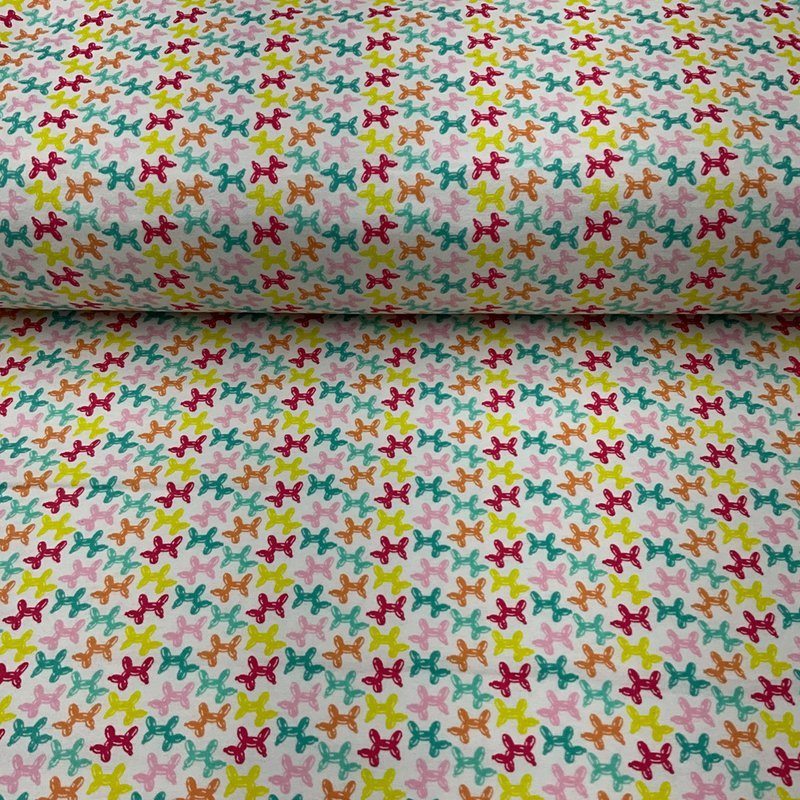
Part of what makes this garment stick around for centuries is that it never takes itself too seriously. And the cute ones are the hidden luxury of the whole thing — the softest, most expensive-feeling fabric in your house. The one you reach for when everything else feels like it’s too much.
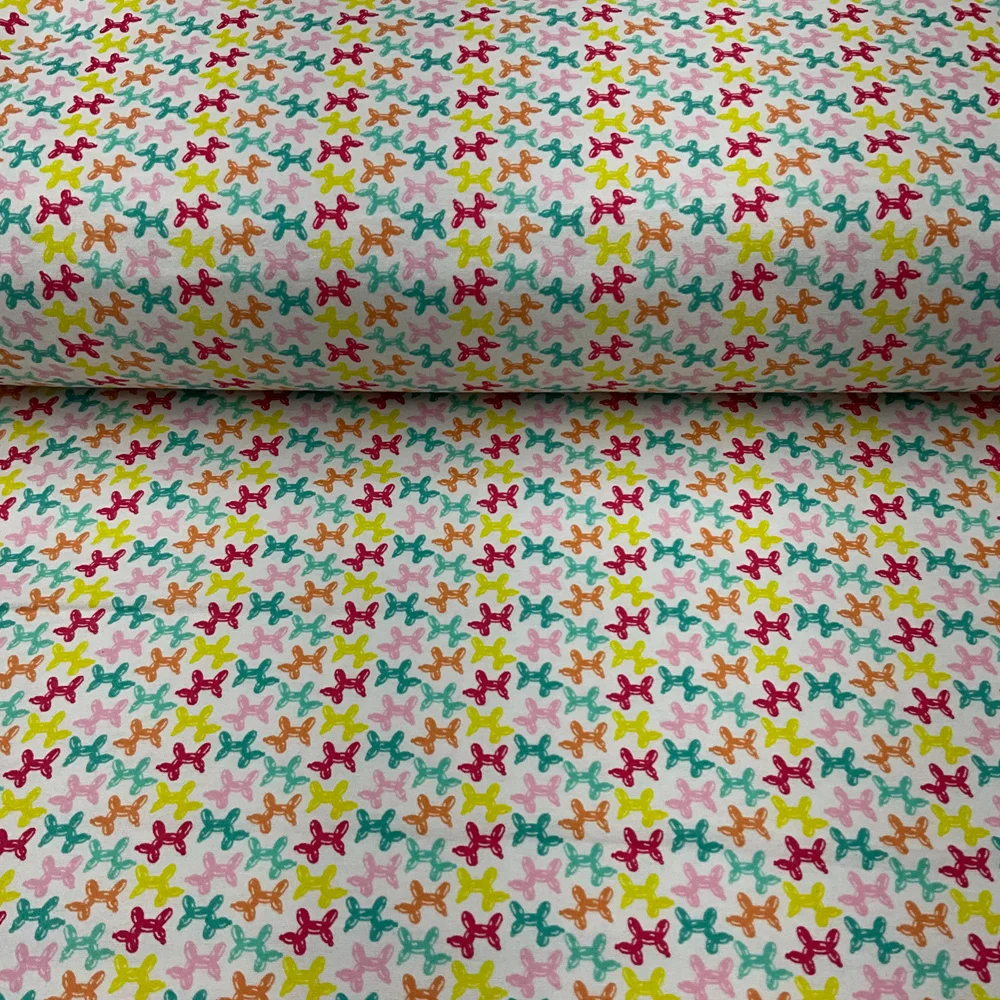
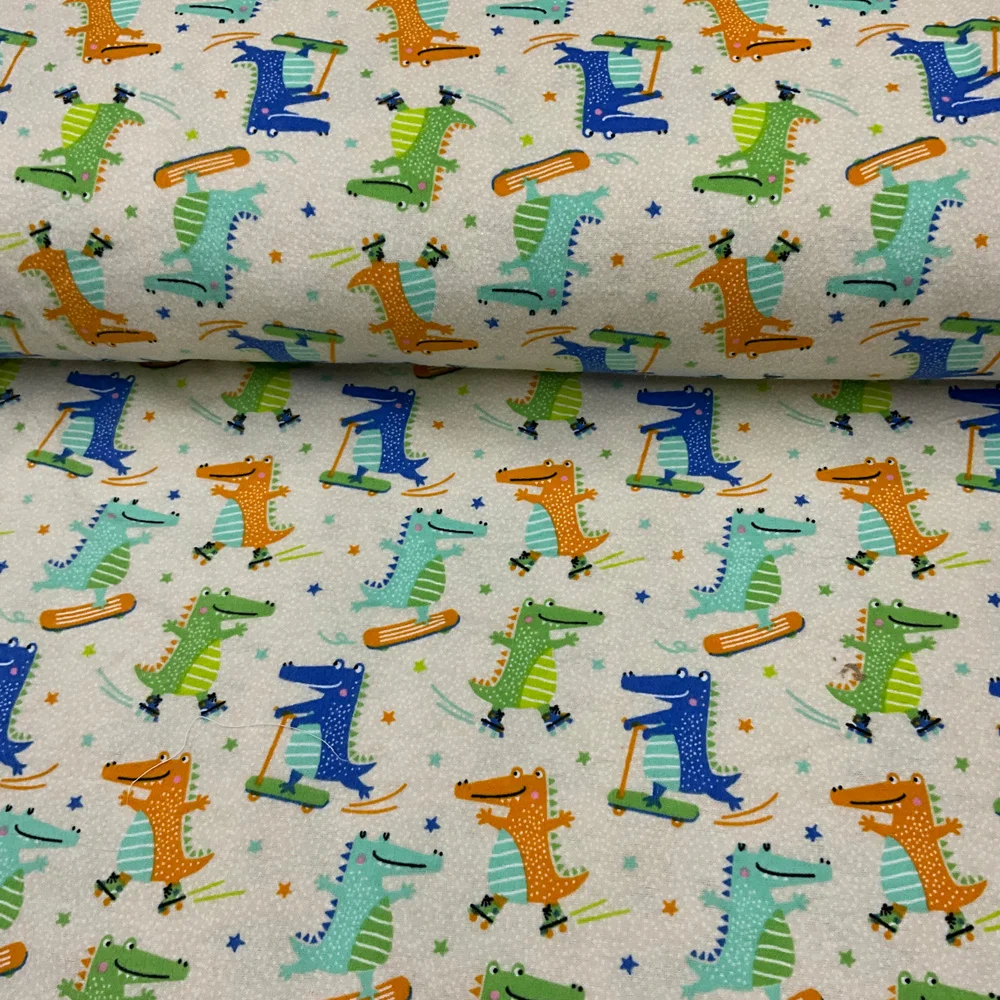
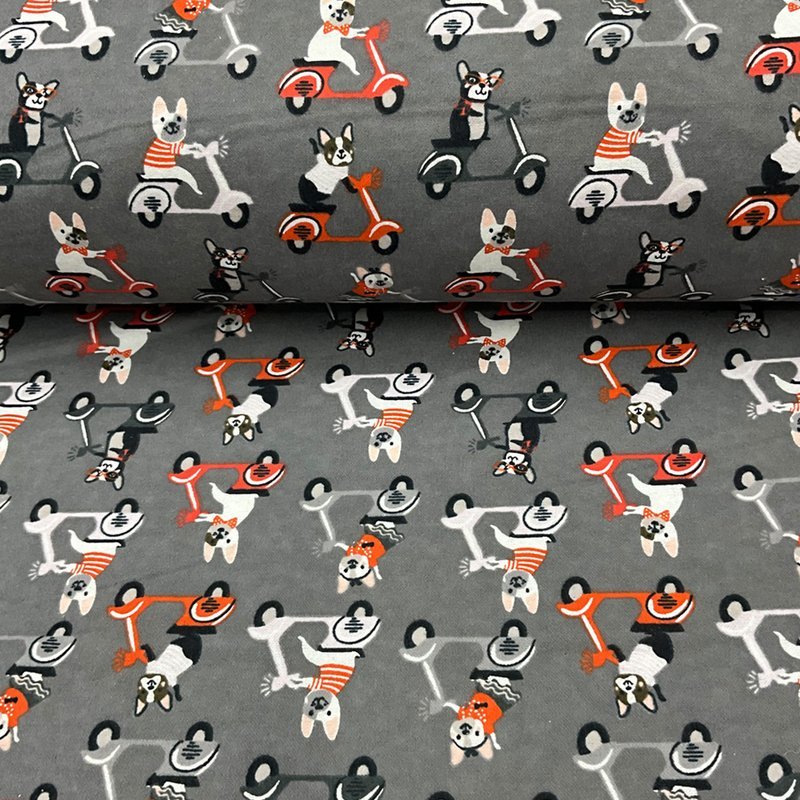
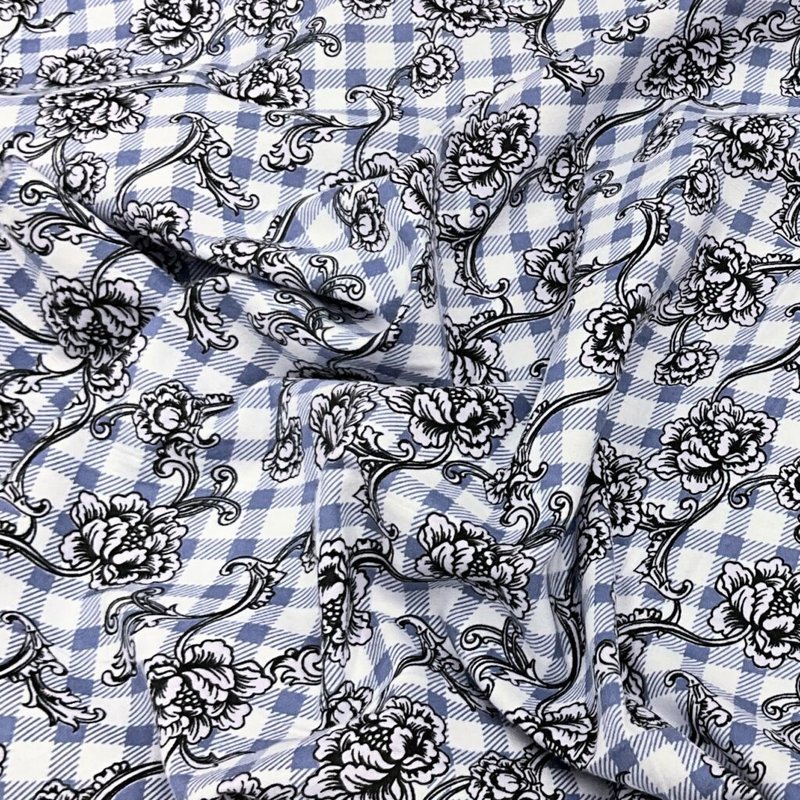
Here’s a few I’ve been eyeing (prices are per 1/2 meter, about $6.00; $12.00 per full meter):
What I learned
The story of the most casual thing you own is a story about comfort winning, over and over, across a lot of centuries. The buttoned-up European nightgowns — the ones that look like they belong in a portrait — were the fashion statement. These loose, tied-waist pants were the actual daily life. And they kept winning.
So next time you reach for them and they’re exactly as soft as you remember? You’re not just lazy. You’re 2,000 years in a line, and you wear the winner.
Sources & further reading
- V&A — Indian textiles
- World 4 — Persian costume history
- SCMP — Where the word ‘pyjamas’ comes from (or it’s pajamas)
- Gilis — Historical costume: nightwear, what was worn in bed?
- Scribd — The history of pajamas: from fashion to modern sleepwear
Wear it well — Elise