
The bag from the thrift store lands on my bedroom floor, and for one exciting week, the pile on my chair is the most interesting thing in the house. Then it gets boring — and the clothes that never got properly processed end up back in a donation box within the month.
After six years as a buyer’s assistant, I’ve learned that a great find only works if the fit and the fabric survive contact with real life. So this is the routine I run on everything that comes home: thrift store hauls, estate sales, hand-me-downs, and even that “new with tags” piece I couldn’t resist. Four steps, no skipping, no exceptions.
1. Try them on — even if you tried them on already
Most thrift stores where I shop have no fitting rooms, and estate sales don’t give you one either. A garment can say your size on the tag and still have shrunk, stretched, or just… not be the silhouette you wanted.
So the first thing I do when I get home is put it on again, with the coffee, no rush. I’m not asking “is this nice?” — I’m asking whether I’ll actually wear it, how it moves, and whether it works with the clothes I already own. If the answer is no, the exit is easy: donate it straight back. And if I did buy it from a shop that takes returns, moving fast is the whole game.
One question I always run it through: does this work as a building block for at least three outfits? If you can’t wear it three ways, it doesn’t stay.
2. Wash it — yes, even the hand-me-down
New-with-tags pieces from the store carry sizing and finishing sprays I don’t want against my skin. Secondhand pieces carry that thrift store funk. And even the sweater a friend passed along spent who knows how long in a box waiting for its next chapter.
The wash is also a quality check. This is where colours run reveal themselves, where a hidden stain shows up, and where I notice exactly what needs fixing. I’m a firm believer in bending laundry rules — dry-clean-only labels get questioned more than they get obeyed — but for anything new-to-me, I hand wash the first time unless I’ve built up a full load of new pieces. My tips for hand washing sweaters are the place I’d start if yours need gentle care.
3. Mend and maintain
This is where thrift pieces either become workhorses or become donations.
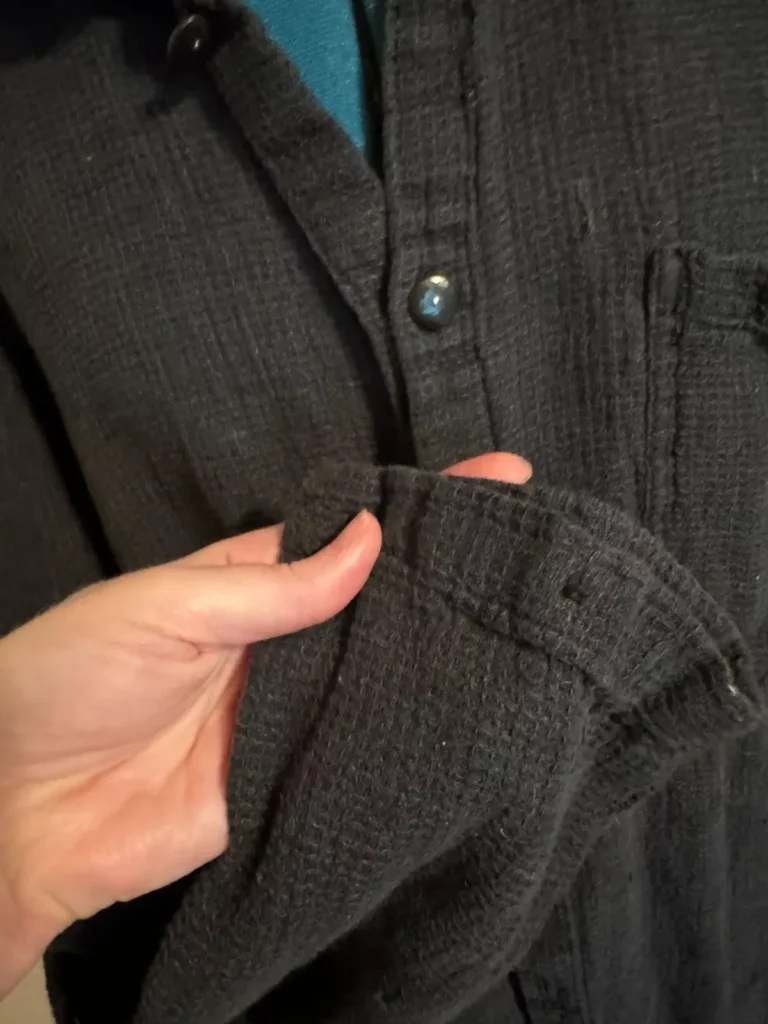
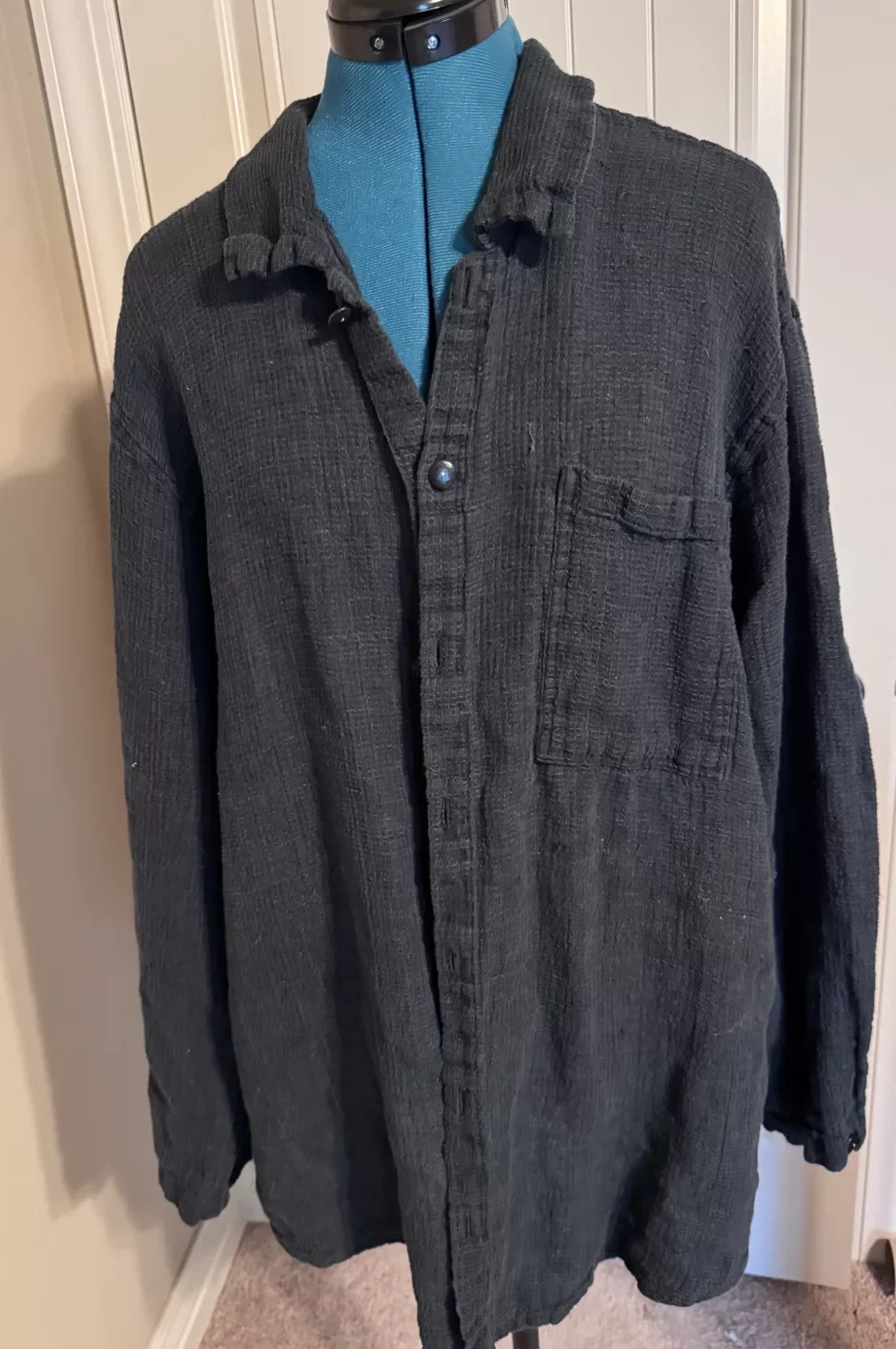
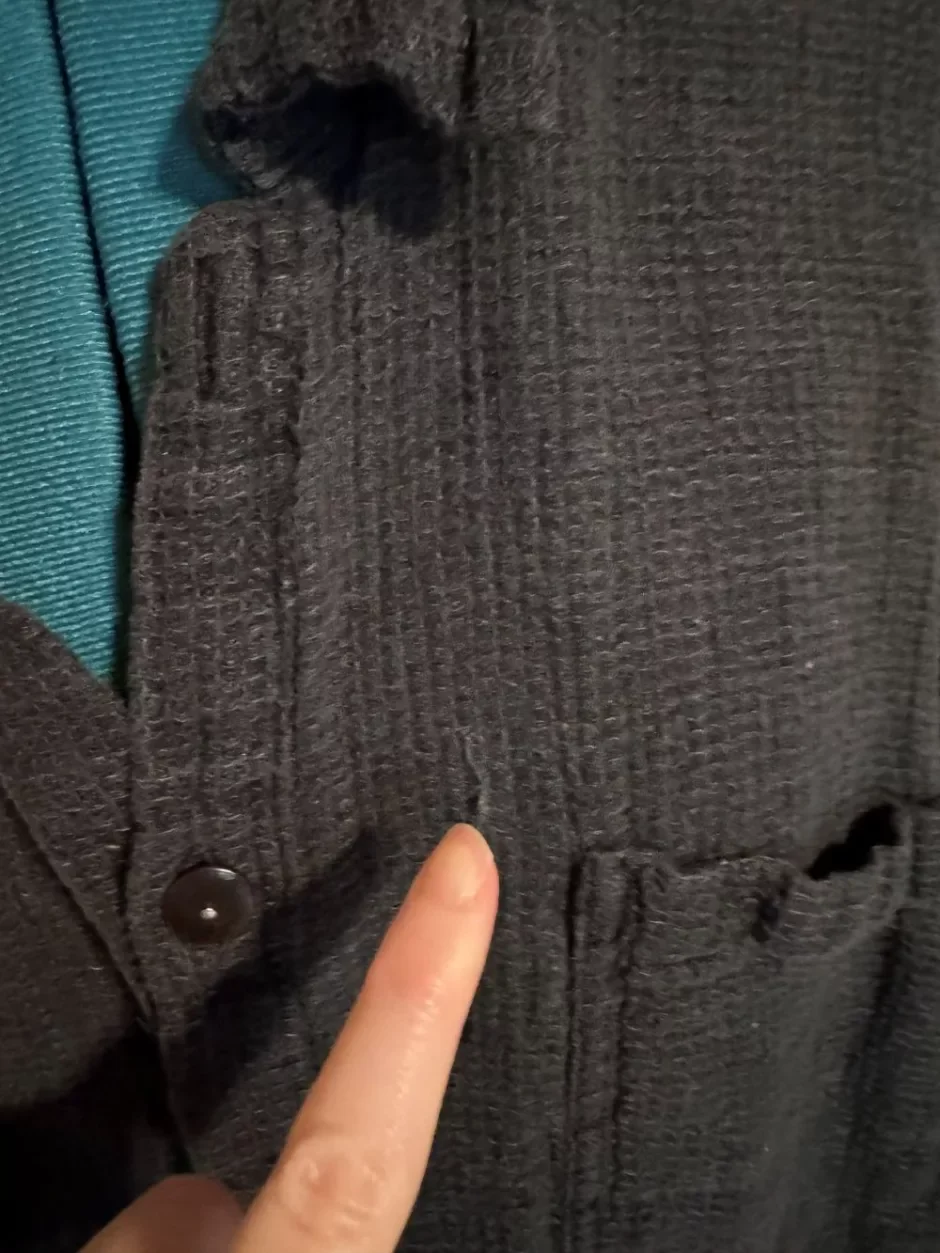
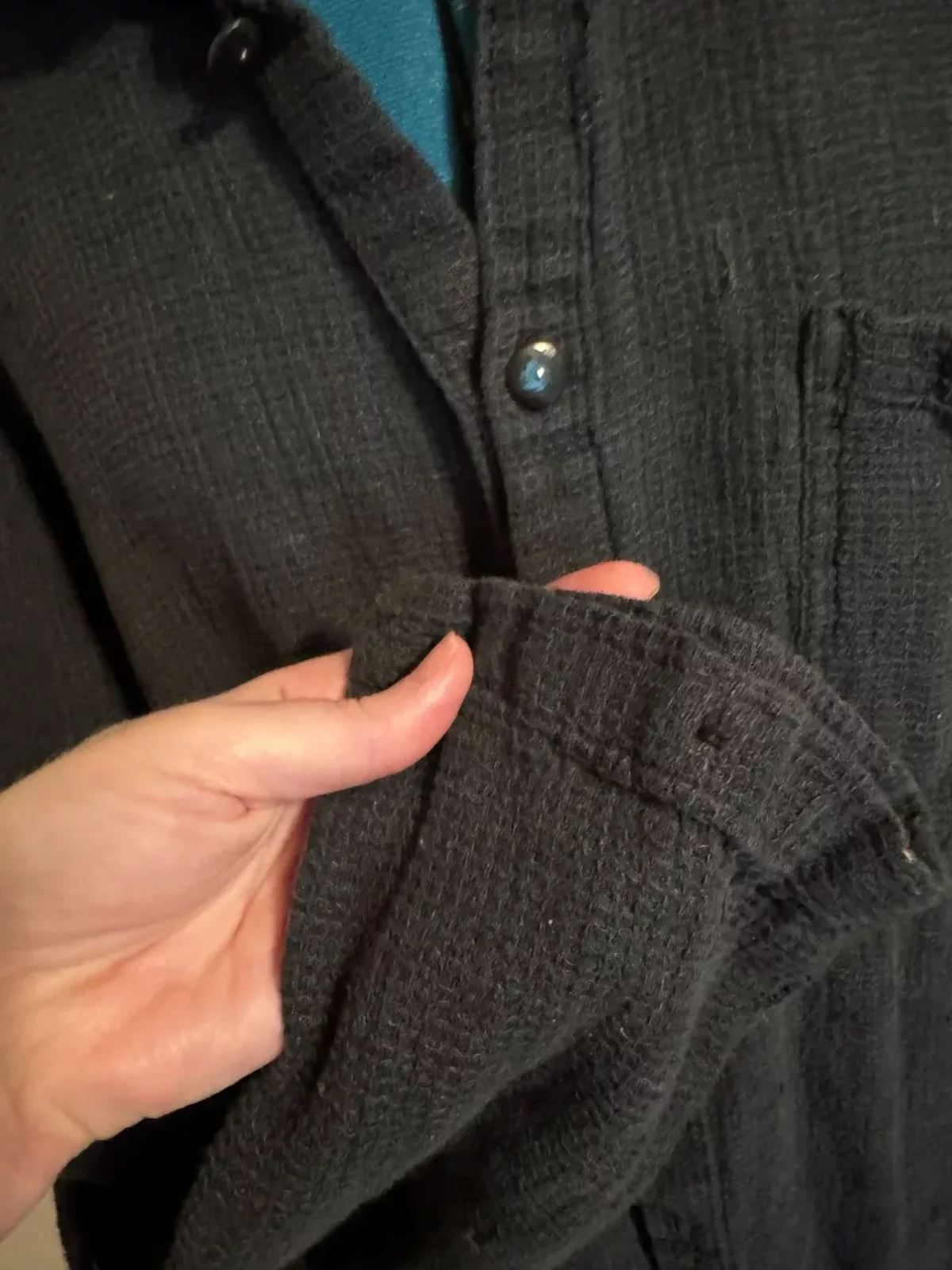
I recently bought a big linen shirt at an estate sale — the kind that looked perfect in the pile — and only found, at home, that it was covered in little pulls. If fixing a snag is a new skill for you, this is the moment to learn it.
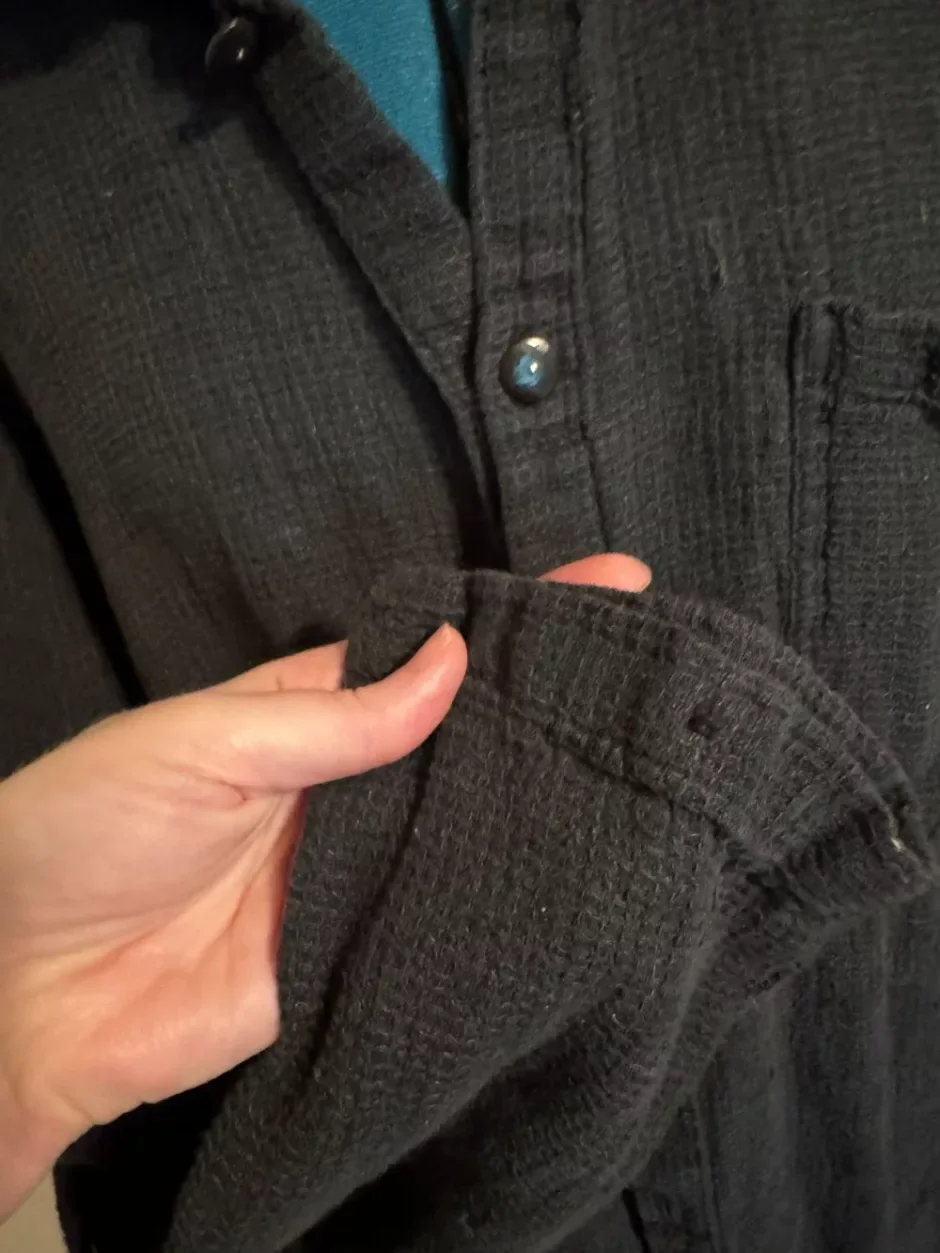
It was also missing a button on the cuff, and one other button was loose enough to make an exit at any moment. I took the top button off — I was never buttoning that high anyway — to replace the missing one, then re-sewed the loose one so it’d stay put.
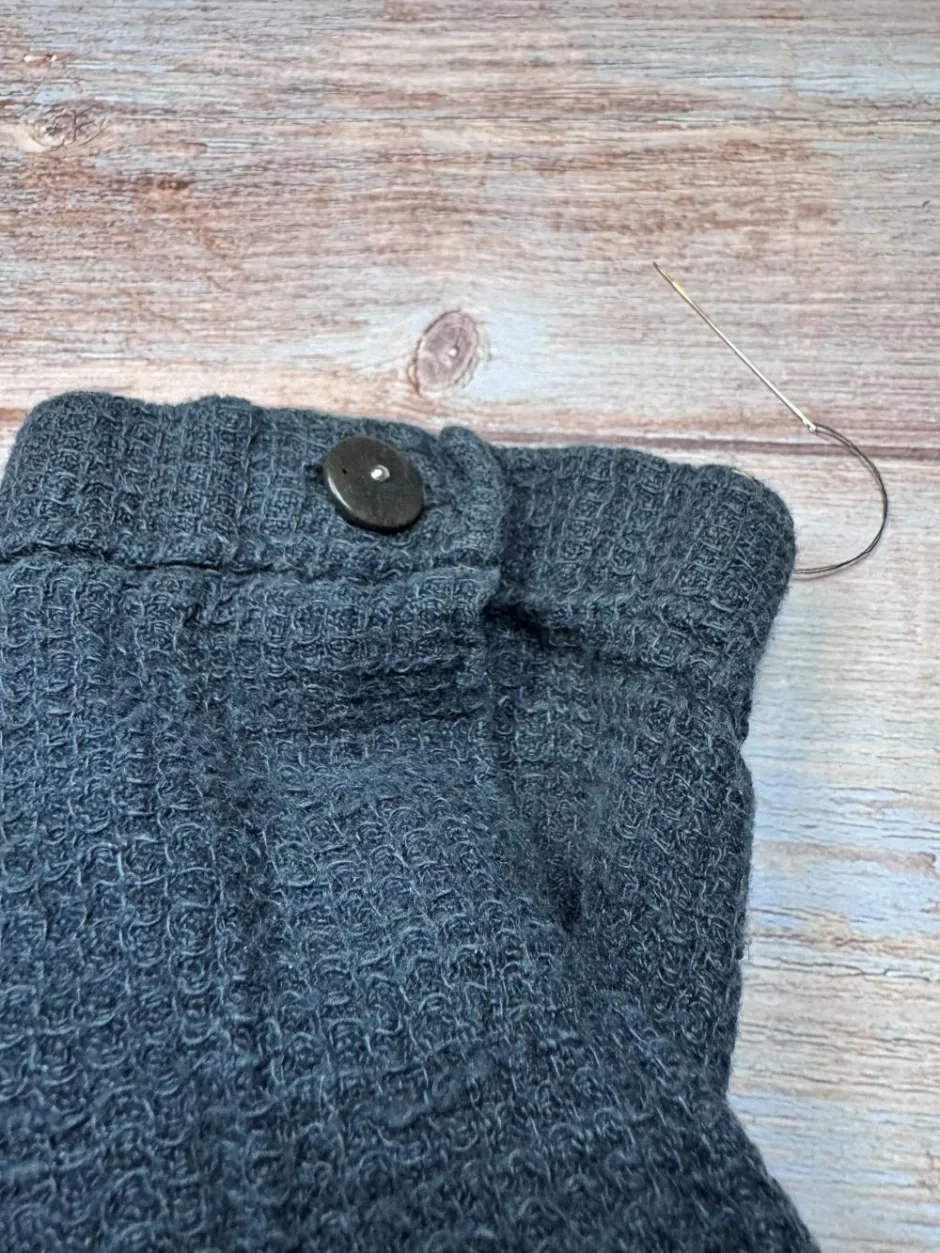
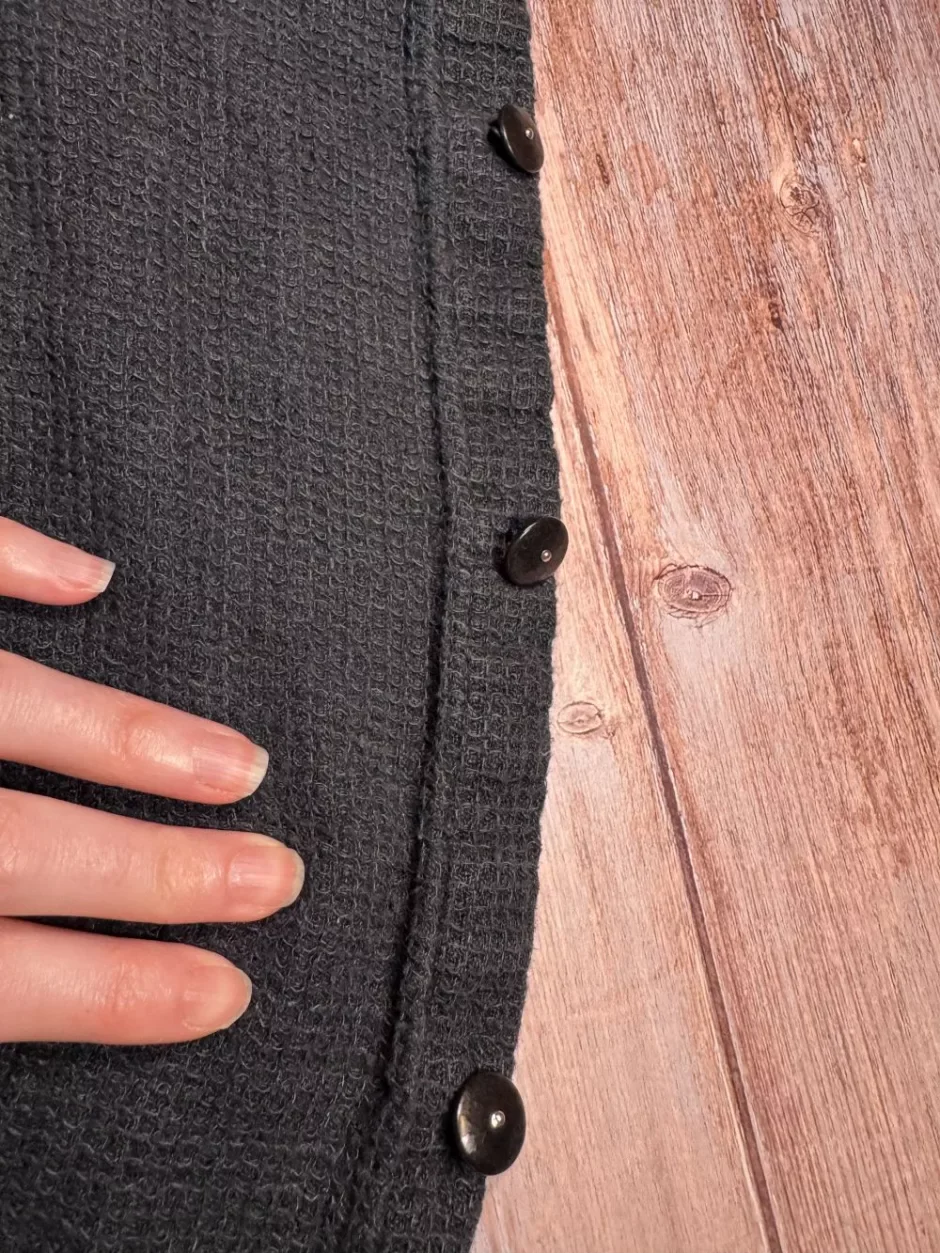
Same pass handles tears, holes, and any stains that only revealed themselves after the wash. Ideally you treat what you see before washing, but nothing slips through like it does.
4. Alter — before the closet banishment
Not every piece needs it, but some of the best finds fit “almost.” The alternative is wearing something that nags at you all day, or letting it hang unseen until you finally donate it. Fix it first.
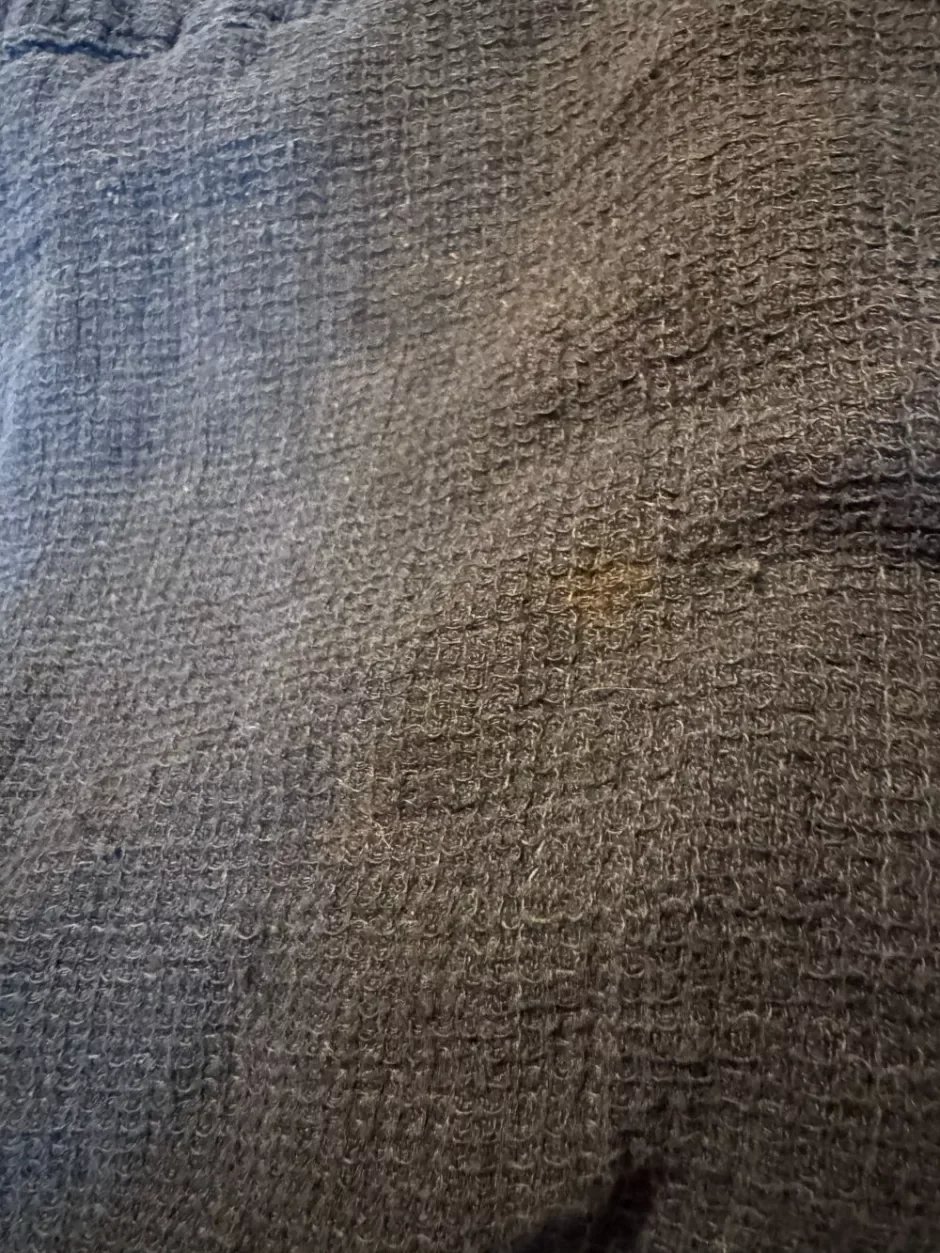
Deliberately oversized pieces just need their side seams taken in or a hem. A shirt that runs long can be shortened or widened, or lose its sleeves entirely. And a sweat stain you didn’t see until wear? That’s a tank top waiting to happen.
Back to my linen shirt: it has some marks that might be bleach, and I haven’t decided what to do about them. It’s basically dress length on me as it stands, so I could cut the bottom off, dye it, or leave it alone. That decision isn’t stopping me from wearing it — but it’s on the list, and it gets done before the shirt officially enters my rotation.
That’s the whole routine: try on, wash, mend, alter. It takes a quiet evening, not a weekend, and it’s the difference between a closet full of maybe-s and a capsule where everything earns its hanger.
Try it this week: take one unprocessed piece out of that pile and run it through all four steps before you put it back in the closet.
Wear it well — Elise