Your closet is full. You still have nothing to wear. Sound familiar? It usually isn’t a size problem — it’s a color one. There’s a moment you know when it’s working: you walk into a room and the compliments land on your skin, your eyes, the whole you. “That top is your color.” That’s not flattery. That’s harmony.
Autumn color analysis is the part of seasonal color analysis that maps clothing, makeup and jewelry colors to your natural coloring. The official Autumn family runs warm, rich and grounded — from muted sage and soft camel to rust and deep forest green. But here’s the part nobody tells you: being an Autumn has nothing to do with your skin tone, your eye color, or whether your veins look green. It’s about how color interacts with all of your features at once. And inside the Autumn family, your most harmonious version might be Soft Autumn, True (or Warm) Autumn, or Dark (or Deep) Autumn. This guide will help you figure out which one — and what to actually buy.
What Autumn Color Analysis Actually Looks At
Seasonal color analysis sorts every color by four things: temperature (warm or cool), value (light or deep), chroma (bright or muted), and contrast — how much your features differ from each other. Autumn colors sit in the medium-to-deep range, and their chroma moves from muted to rich but never neon. The Autumn family reflects what you see in nature between September and November, though the exact temperature shifts from neutral-warm to very warm depending on the sub-season.
For this guide I went straight to the experts: Hannah and Sophia Rashad, sisters and co-founders of Curate Your Style, a personal styling studio in Mayfair. They’re my favorite follow in the color-analysis world, and since 2021 they’ve worked with more than 30,000 clients across 116 countries, alongside fashion and beauty brands including Harrods, Fendi, Chloé and Prada Beauty.
How to Tell If You Might Be an Autumn
The vein test is where most people go wrong. Green veins mean warm? Fair skin means cool? Olive skin automatically warm? According to Hannah and Sophia, those assumptions are among the most common reasons people get mistyped.
“One feature on its own will never give you the answer.” A color analysis reads three qualities together: the temperature of your undertone, hair and eyes; how light or dark your features are; and how bright, rich or muted they appear against your skin. Fair skin can have a warm undertone. Olive skin can be warm, cool or neutral. Deep skin isn’t automatically cool, and a tan doesn’t make you a warm season. The vein test is inconclusive on its own — and especially unreliable on deeper skin tones.
And yes, Autumns come in every complexion. The sisters point to Devon Aoki, Adele and Tyra Banks as often cited as Soft Autumn; Beyoncé and Lindsay Lohan as True Autumn; and Victoria Beckham, Jasmine Tookes and Zendaya as Dark Autumn. Their skin depths and features vary widely — what they share is the relationship among temperature, value and chroma, not a specific complexion.
The 30-Second Test You Can Do at Home
If you want to check whether the Autumn family is even in the running, start with three drapes: olive green, warm chocolate brown, and beige. All three carry a significant amount of yellow, which tends to harmonize with Autumn coloring. Place each one directly beneath your face in indirect natural light, and look at your face — not the fabric.
A harmonious color pulls attention to your eyes and smile and makes your complexion look clearer. A disharmonious one does the opposite: it drags attention away from your features or makes your skin look sallow and uneven. You can also test pure black, pure white, pastels and neons, which tend to be the least harmonious for Autumns. If those overpower you while olive, chocolate and beige let you come forward, the Autumn family is worth exploring further.
For the clearest comparison:
- Remove heavy makeup and self-tanner.
- Use indirect natural light beside a window or outdoors.
- Stay out of direct sunlight, which distorts depth and contrast.
- Turn off your camera’s flash and filters.
- Use your natural hair color as the reference point.
If your hair is dyed, pull it away from your face and find a clear photo of your natural color — even a childhood photo works. Dyeing your hair doesn’t change your season. A True Autumn who dyes her hair jet black doesn’t become a Dark Winter.
Honest caveat: at-home draping can point you in the right direction, but lighting, color choice, camera settings and your own bias all skew what you see. A professional analysis gives you a more controlled, objective comparison — and the sisters will tell you the hardest part is setting aside what you already believe.
The Three Autumn Sub-Seasons, Side by Side
Soft Autumn, True Autumn and Dark Autumn all share warmth, but their dominant characteristics set them apart. Soft Autumn is the most muted, True Autumn the warmest, Dark Autumn the deepest.
| Sub-season | Dominant quality | Contrast and depth | Best neutrals | Strong accents | Approach carefully |
|---|---|---|---|---|---|
| Soft Autumn | Muted first, then warm | Low to medium contrast; light-medium to medium depth | Oatmeal, mushroom, soft camel, warm taupe, muted navy | Sage, dusty teal, muted terracotta, warm rose | Optic white, jet black, neon or highly saturated colors |
| True / Warm Autumn | Warm first | Medium contrast and medium depth | Cream, camel, cognac, warm chocolate, olive | Mustard, rust, paprika, warm teal, tomato red | Icy pastels and distinctly blue-based colors |
| Dark / Deep Autumn | Deep first, then warm | Medium-high contrast and greater depth | Espresso, deep olive, warm charcoal, dark chocolate | Forest green, aubergine, oxblood, deep teal | Pale icy colors and head-to-toe light shades |
Soft Autumn: Muted First, Then Warm
Picture the palette as the gentle transition from summer to fall: warm, but softened. Sage instead of emerald. Dusty rose instead of hot pink. Warm taupe instead of stark gray. Soft Autumn is defined by its muted quality — understated, quiet colors that blend softly with the skin rather than striking against it. If vivid color tends to appear before you do, but softly warmed shades bring your features into focus, this may be your palette.
Neutrals to build on: oatmeal, mushroom, warm taupe, soft camel, cocoa, ecru and muted navy — an easy foundation with warmth and very little contrast. For accents, look to sage green, artichoke, dusty teal, muted terracotta, soft mustard, warm rose, salmon and faded brick red. The whole palette has an almost vintage quality: warm and earthy, gently weathered. Optic white, jet black, icy pastels and highly saturated jewel tones can feel disconnected — that doesn’t mean you can never wear them, just try moving a less harmonious color away from your face, or softening it with one of your better neutrals.
Texture does the heavy lifting here. Washed linen, suede, soft denim, brushed knits and matte leather all feel at home in this palette. And because Soft Autumn features are naturally blended, lower-contrast combinations work beautifully. Hannah and Sophia suggest a sand-beige knit with an artichoke-green jacket and muted brown denim — the key is understated and quiet, never loud. A few more to try: a warm taupe knit with ecru denim and a muted olive jacket; a dusty teal blouse with chocolate trousers and brushed-gold jewelry; a soft camel coat over a warm rose top and medium-wash denim. And yes, tonal layering in oatmeal, mushroom and cocoa works every time.
On metals: hammered or brushed finishes rather than high polish. Soft yellow gold, copper and bronze, or mixed metals with a matte, gently weathered finish. Amber, carnelian, smoky quartz and muted green stones echo the palette. For makeup: warm rose, muted coral, soft brick or peachy nude on the lips; apricot, warm rose or muted terracotta blush depending on your skin tone; and taupe, olive, bronze, cocoa or softly smoked brown on the eyes rather than icy gray or high-contrast black. On the nails: muted rose, mushroom, warm taupe, soft terracotta or sage.
One nuance: a “nude” lip should relate to your natural lip and skin depth, not one universal beige. These color families look different across complexions, so judge the depth of the shade as well as its undertone.
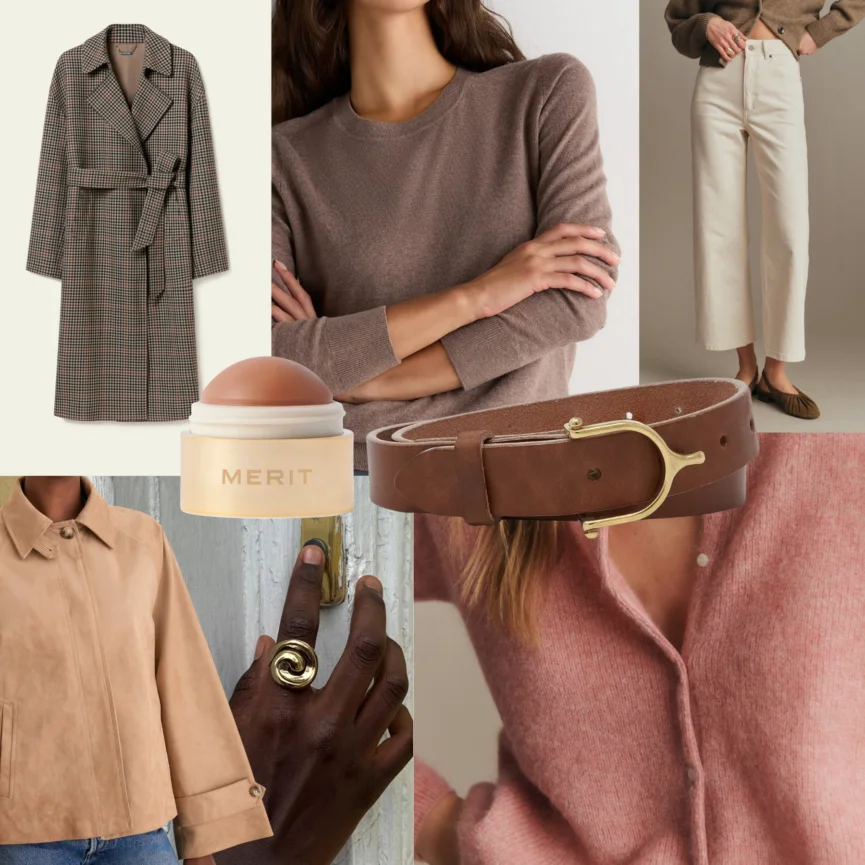
Shop the Soft Autumn Palette
Everything below is a workhorse in muted, tactile materials. Prices are as listed at time of writing — check before you buy, and note that we may earn a commission if you shop through these links.
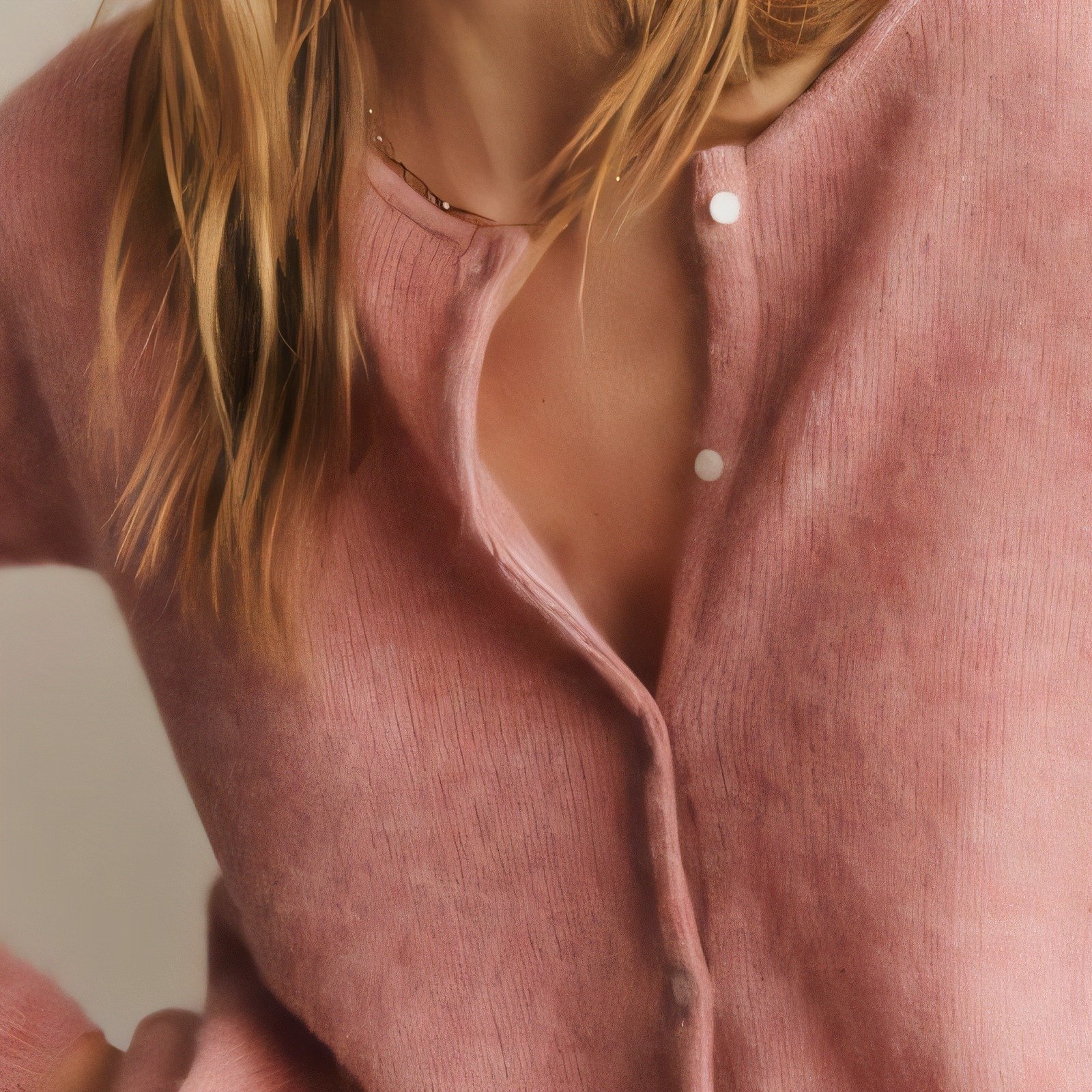
Rose cardigan — Sézane Signature Gaspard Cardigan ($120)
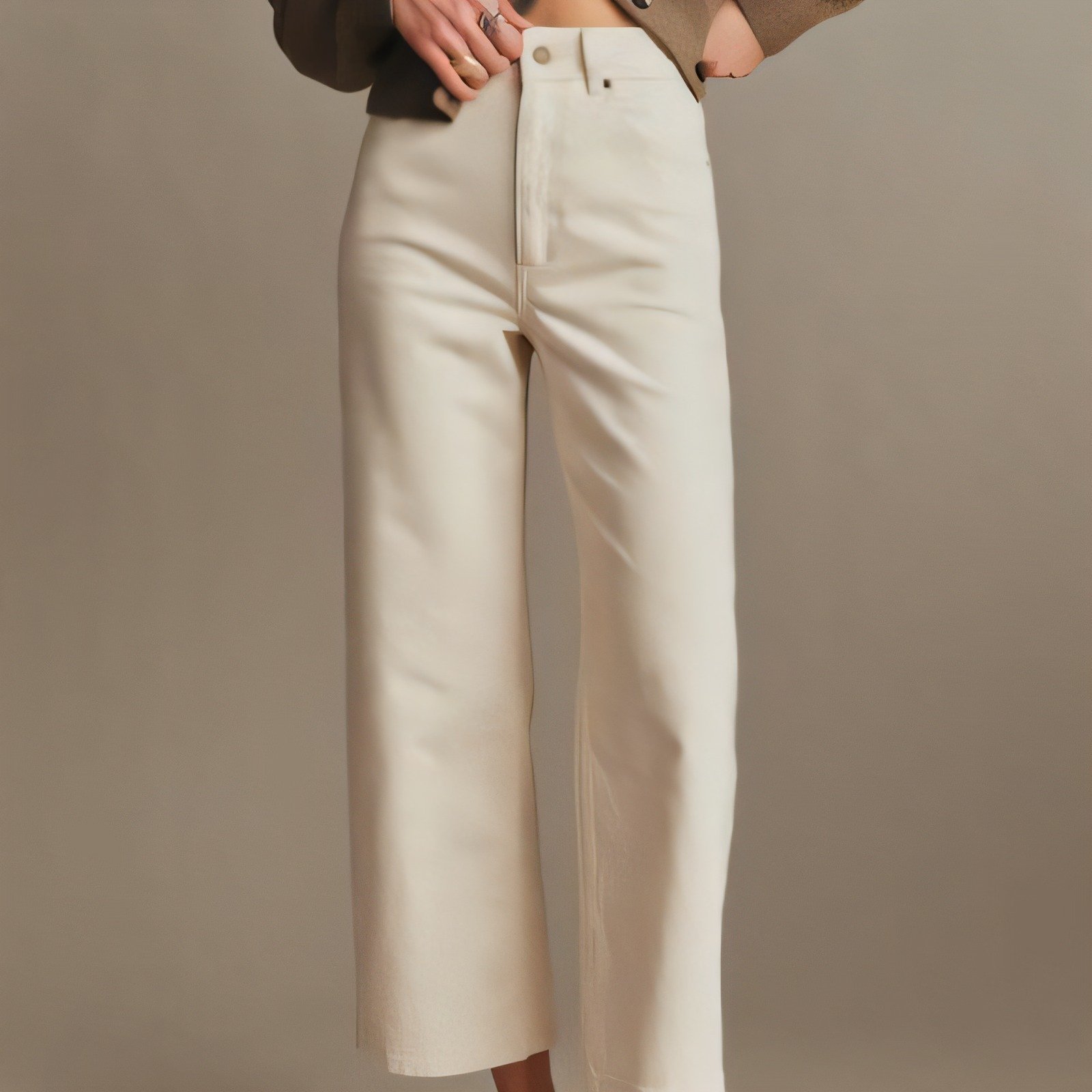
Ecru jeans — Sézane Le Crop High Rise Jeans ($130)
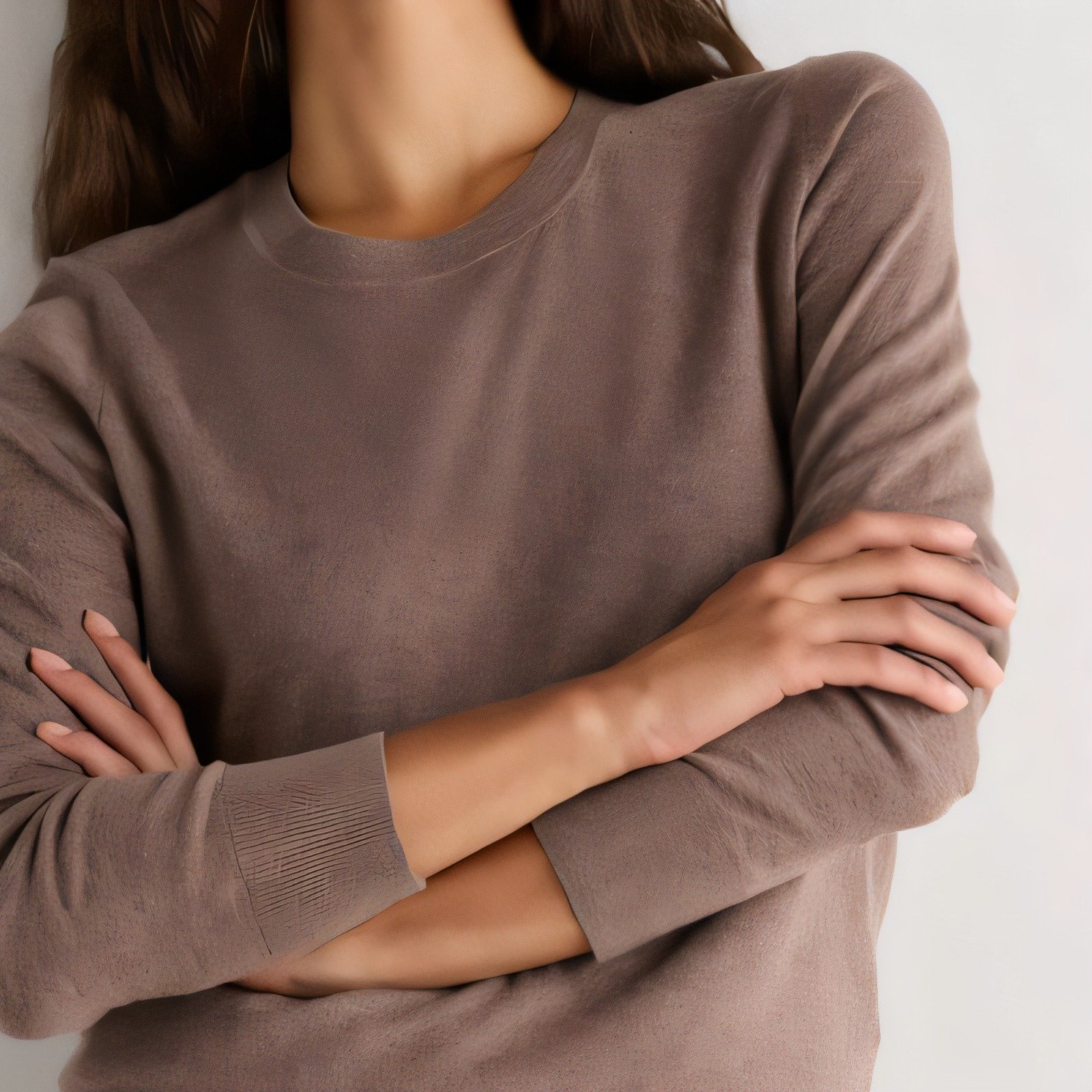
Taupe sweater — Quince Lightweight Cotton Cashmere Crew Sweater ($35)
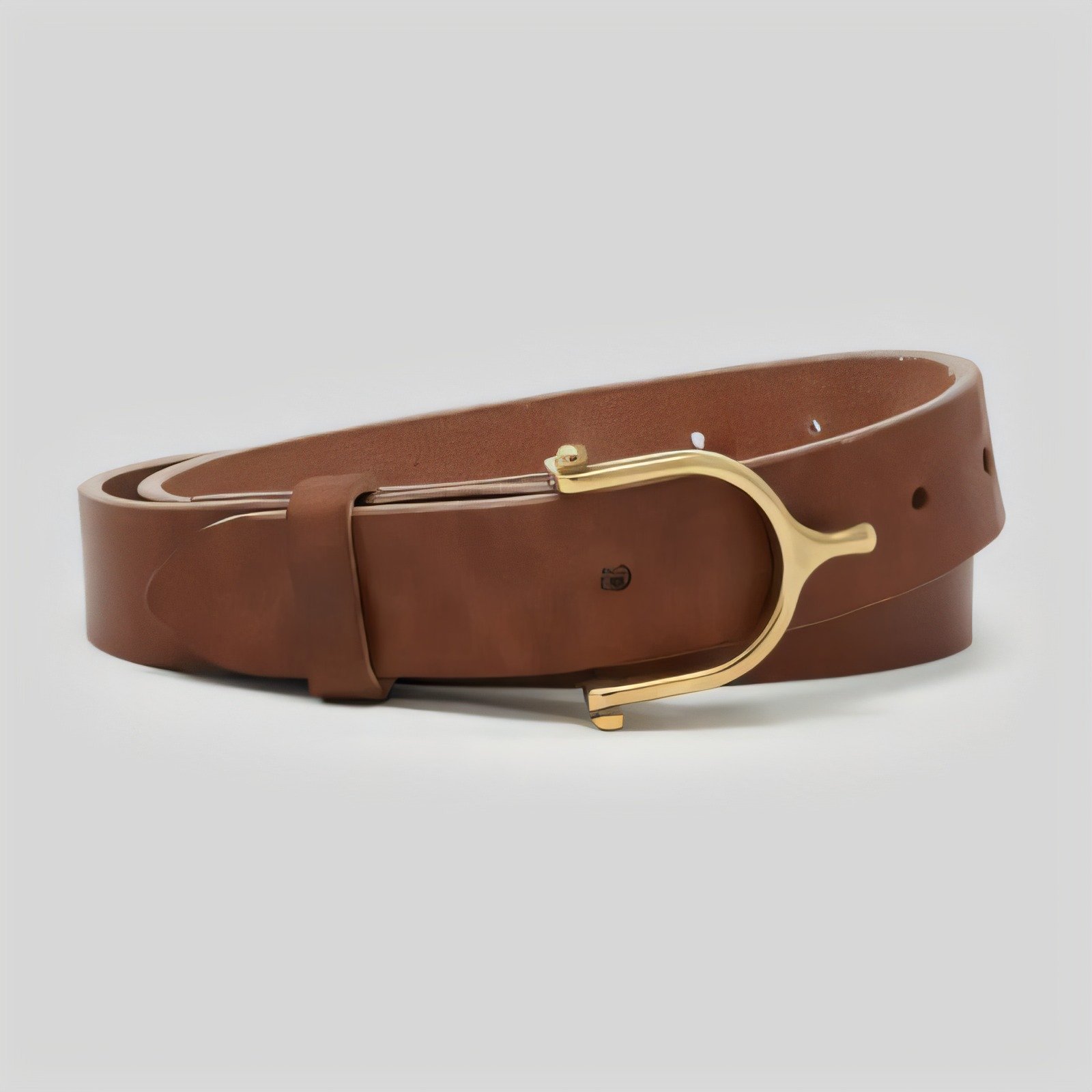
Praline belt — AYR The Tory Leather Belt with Interchangeable Buckles ($195)
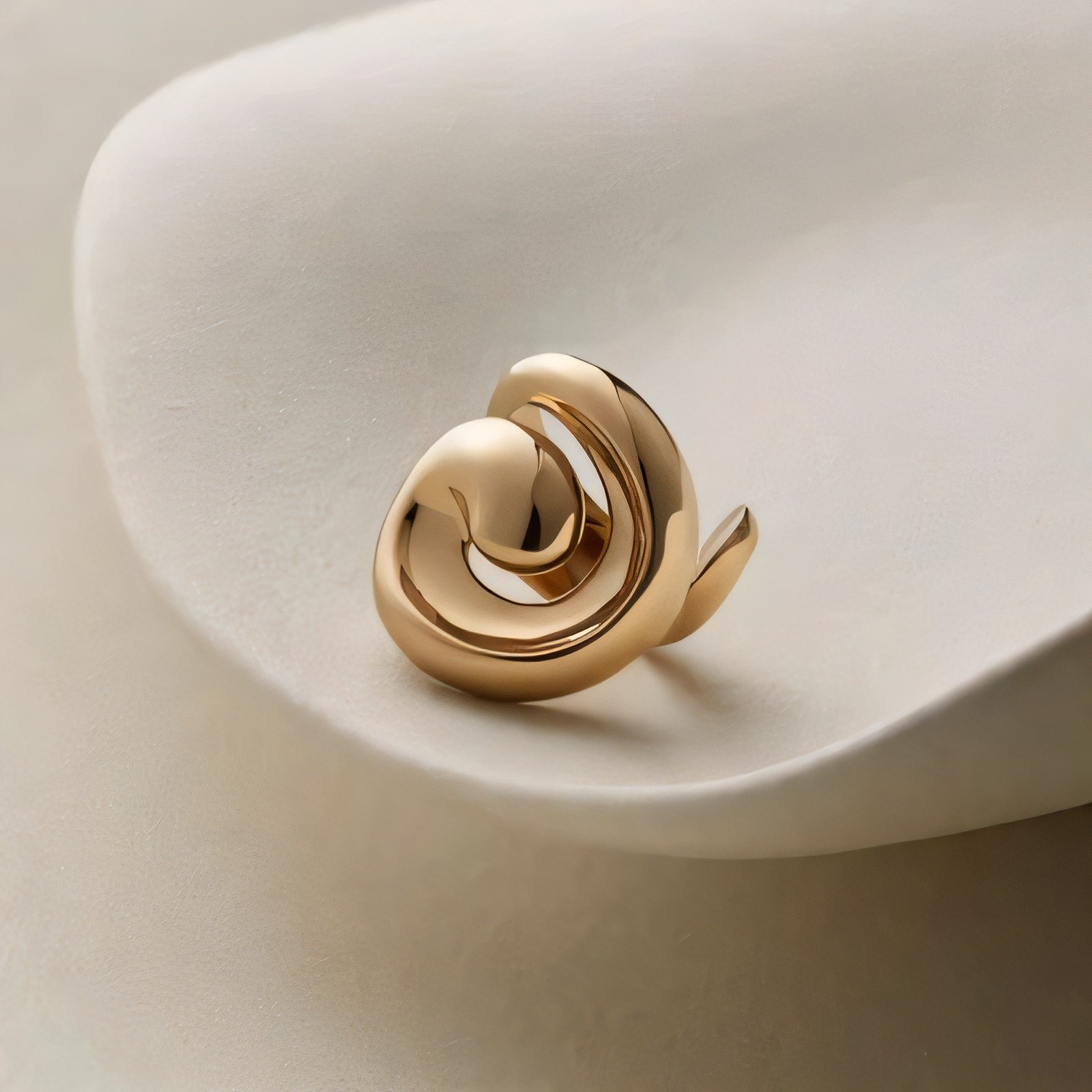
Gold ring — Jenny Bird Renzo Ring ($128)
Check trench — LILYSILK Oversized Wool-Silk Trench Coat ($1399)
Terracotta cream blush — MERIT Flush Balm Blush ($30)
True Autumn: Warm First, Medium Depth
The True Autumn palette sits in the middle of autumn’s peak richness. Its colors recall leaves fully turned to gold and rust, olive branches, warm spices, sun-baked terracotta. Also called Warm Autumn, it’s defined primarily by temperature — the most unmistakably warm of the Autumn family, with medium value and rich but never bright color.
Neutrals: warm beige, camel, cognac, chocolate, olive and deep warm navy. Swap stark white for ivory or buttercream; swap cool gray for mushroom brown or khaki. And this is the palette where orange finally makes sense: mustard, ochre, rust, paprika, tomato red, moss green, warm teal and deep coral. No other Autumn wears orange, but the harmonious versions feel rich and organic rather than fluorescent. Icy pastels, blue-based pinks, optic white, neon and cool gray work against the warmth — if you love them, introduce them through accessories, or pair them with a warmer color near your face.
True Autumn can combine several rich colors without looking overwhelmed, because the colors are already speaking the same language. Hannah and Sophia suggest an olive-green top with warm chocolate trousers, a beige trench coat and gold jewelry — warm and earthy rather than bright (bright is more Spring’s territory). More formulas: a warm cream sweater with rust trousers and cognac accessories; an olive jacket over warm denim with a mustard knit; a tomato-red blouse with a camel skirt and gold jewelry; warm teal with chocolate brown, a colorful but grounded alternative to black and navy.
Materials matter here: suede, corduroy, leather, wool and nubby knits bring out the palette’s warmth. On metals: yellow gold, brass, bronze and copper, with antique or hammered finishes reinforcing the organic richness — polished gold works when you want a brighter effect. Amber, tiger’s eye, topaz and jasper naturally echo the palette’s warm browns, oranges and golds. For makeup: warm brick, spiced coral, terracotta, tomato red or a peachy brown nude on the lips; apricot, warm peach, cinnamon or terracotta blush adjusted to your complexion’s depth; olive, bronze, copper, warm brown or muted gold around the eyes, and a chocolate or deep brown liner for definition without the cooler effect of blue-black. On the nails: rust, moss green, warm red, cinnamon, chocolate or burnished gold.
Shop the True Autumn Palette
Build this palette around unmistakably warm shades — mustard, burnt orange, warm beige, chocolate, olive and rich teal — and steer clear of anything icy, neon or jewel-bright.
Short cream coat — LILYSILK Double Faced Wool-Cashmere Coat ($549)
Mustard sweater — La Ligne Solid Mini Marina Sweater ($250)
Gold earrings — Chan Luu Labradorite Pilar Earrings ($290)
Ceramic carved bowl — Target, designed with Studio McGee ($30)
Burnt orange coat — Sézane Fernand Coat ($520)
Red-brown lip balm — Violette FR Mon Chéri Bisou Balm ($30)
Almond top — Reformation Lace Teddy Silk Top ($168)
Cable-knit cream sweater — Ralph Lauren Cashmere Sweater ($498)
Dark Autumn: Deep First, Then Warm
Picture the palette at the end of the season, when colors go deeper and more dramatic. Forest green, aubergine, oxblood, deep teal and espresso replace the softer shades earlier in the Autumn spectrum. Also called Deep Autumn, it’s defined first by depth, then by warmth — the darkest end of the Autumn family, and it tends to harmonize with people whose natural hair and eyes add noticeable depth to their overall coloring. That doesn’t mean you need a particular skin depth to be Dark Autumn: fair, medium, olive and deep complexions all appear in this sub-season.
Neutrals: espresso, dark chocolate, deep olive, warm charcoal, cognac and rich beige. Jet black can feel harsher than a warmer dark neutral, but Dark Autumn can often wear colors that approach black — especially when the underlying warmth stays visible. Accent colors: forest green, aubergine, oxblood, deep teal, peacock blue, dark rust, warm burgundy and saturated moss. They have presence but aren’t bright — the impact comes from richness and depth. Pale icy colors, cool pastels and head-to-toe light shades feel disconnected; anchor a lighter neutral with espresso, deep olive, maroon or another strong color from the palette.
Dark Autumn is the sub-season for rich tonal combinations. Hannah and Sophia recommend a maroon knit with an espresso-brown skirt and dark-gold jewelry — antique metal finishes, not highly polished or brushed, to reinforce the depth. More formulas: an espresso knit with deep olive trousers and an oxblood bag; a deep teal dress with antique-gold jewelry; a warm charcoal blazer over an aubergine top and dark denim; a rich beige blouse with chocolate trousers and a forest-green jacket. And here’s a capsule-wardrobe move: rather than defaulting to black, use espresso, warm charcoal, dark olive and ink-like teal as your anchors. Nearly the same versatility, and it connects naturally to the rest of the palette.
On metals: dark gold, antique brass, bronze, copper and deeper mixed metals with an aged rather than polished finish. Garnet, smoky quartz, amber, tiger’s eye and deep green stones complement the warmth and depth. For makeup: oxblood, warm burgundy, deep brick, raisin or rich brown-red on the lips; blush from warm terracotta and spiced rose to deeper cinnamon and red-brown depending on your complexion; espresso, bronze, deep olive, aubergine, dark teal and antique gold on the eyes. Black eyeliner can work for drama, but espresso or deep brown feels more integrated for everyday wear. On the nails: deep red, chocolate, forest green, aubergine or warm burgundy.
Shop the Dark Autumn Palette
Choose pieces with noticeable depth — espresso and chocolate brown, forest green, aubergine, oxblood, maroon and antique gold. The goal isn’t a wardrobe of almost-black clothing; it’s a rich palette in which every color carries visual weight.
Mascarpone shirt — Ralph Lauren Georgette Shirt ($125)
Forest green sweater — La Ligne Marin Sweater ($350)
Brown gold earrings — Jennifer Behr Justine Earrings ($295)
Red-brown polish — Manucurist Bohèm Green Natural Nail Polish ($14)
Espresso jacket — Sézane Will Leather Jacket ($345)
Burgundy loafers — Net-a-Porter Sain Laurent Leather Loafers ($1200)
Dark chocolate trousers — LILYSILK Silk Crepe Pleated Pants ($309)
Grass cardigan — Reformation Cashmere Calra Cardigan ($198)
How to Use Your Palette Without Replacing Your Wardrobe
Discovering your color season makes you want to re-evaluate everything in your closet. Don’t. There’s no need to clear out every item that falls outside your palette — and in a capsule wardrobe, that’s expensive. Hannah and Sophia recommend wearing your specific sub-season most of the time, especially for hair color, makeup and anything worn close to your face. Borrowing from a neighboring season is common, since two palettes often share properties: a Dark Autumn, for example, may borrow selectively from True Autumn or Dark Winter.
The easiest approach is to introduce your palette gradually. Start with tops, sweaters, scarves, earrings and makeup — the colors closest to your face have the greatest effect. Pants, skirts, shoes and bags give you more flexibility.
And most importantly: start with colors you genuinely like. As the Rashad sisters put it, “Forcing yourself into a palette is the fastest way to fall out of love with it and abandon color analysis altogether.” If you love a color outside your palette, you have options — wear it on the bottom half of your outfit, layer one of your best colors near your face, choose a print that includes both colors, adjust the shade rather than abandoning the color, or wear it anyway because it makes you happy.
Autumn Color Analysis, Answered
Can you be an Autumn if you have olive skin? Yes. “Olive” describes the surface appearance of your complexion, not a complete seasonal palette. Olive skin can have warm, cool or neutral undertones and appears across multiple seasons. Comparing how colors interact with your complete natural coloring is far more useful than assigning a season from the word “olive” alone.
Can you be an Autumn with dark skin? Yes. Every Autumn sub-season spans fair to deep skin tones. Darker skin doesn’t automatically indicate Dark Autumn, just as fair skin doesn’t automatically indicate a cool season. Temperature, value and chroma have to be considered together.
Can you be an Autumn with blonde, gray or black hair? Potentially. Hair color alone can’t determine or rule out a season, but natural hair is one part of the complete analysis — the analyst weighs its temperature, value and chroma alongside your skin and eyes.
Should I use my natural or dyed hair color? Natural. If your hair is dyed, pull it away from your face and find a clear photo of your natural color — even childhood photographs help. Hair dye can clash with your palette, but it doesn’t change your underlying season.
What if I’m between two Autumn sub-seasons? Neighboring palettes share certain properties, and borrowing from them is normal. Still, your own sub-season produces the most harmonious effect, particularly for hair, makeup and clothing near your face. Rather than trying to combine two labels, identify the dominant quality in your coloring — softness, warmth or depth — and use your own palette most of the time.
Can an Autumn wear black? Of course. If pure black feels harsh near your face, try espresso, warm charcoal, deep olive or dark chocolate for a similar effect. You can also soften black with an Autumn-colored scarf, sweater, jacket, jewelry or makeup.
Can I do color analysis at home? At-home draping helps you observe broad patterns and narrow the possibilities. For the best result, use indirect natural light, remove heavy makeup and self-tanner, reference your natural hair color, and turn off camera flash and filters. The hardest part may be setting aside your existing preferences — the sisters often see people spot disharmonious colors easily on friends while struggling to see the same effect on themselves, especially when they’re emotionally attached to a particular color. A professional analyst offers an unbiased eye and knows how to separate temperature, value and chroma, which can be difficult to distinguish without training.
The Bottom Line
Your most flattering colors are the ones that let people see you first. For Autumns, those shades share warmth and richness — but the right version might be softly muted, unmistakably golden, or beautifully deep. Start with a few colors you’re naturally drawn to, introduce your palette gradually, and try them near your face. The best wardrobe isn’t one that follows every recommendation perfectly. It’s the one that makes getting dressed feel easier — and a lot more like you.
One small action for this week: do the three-drape test tonight, indirect light, no makeup, camera flash off. You’ll have an answer in thirty seconds. Wear it well — Elise